Tuesday, March 19, 2024

38.0 Correct Terminology

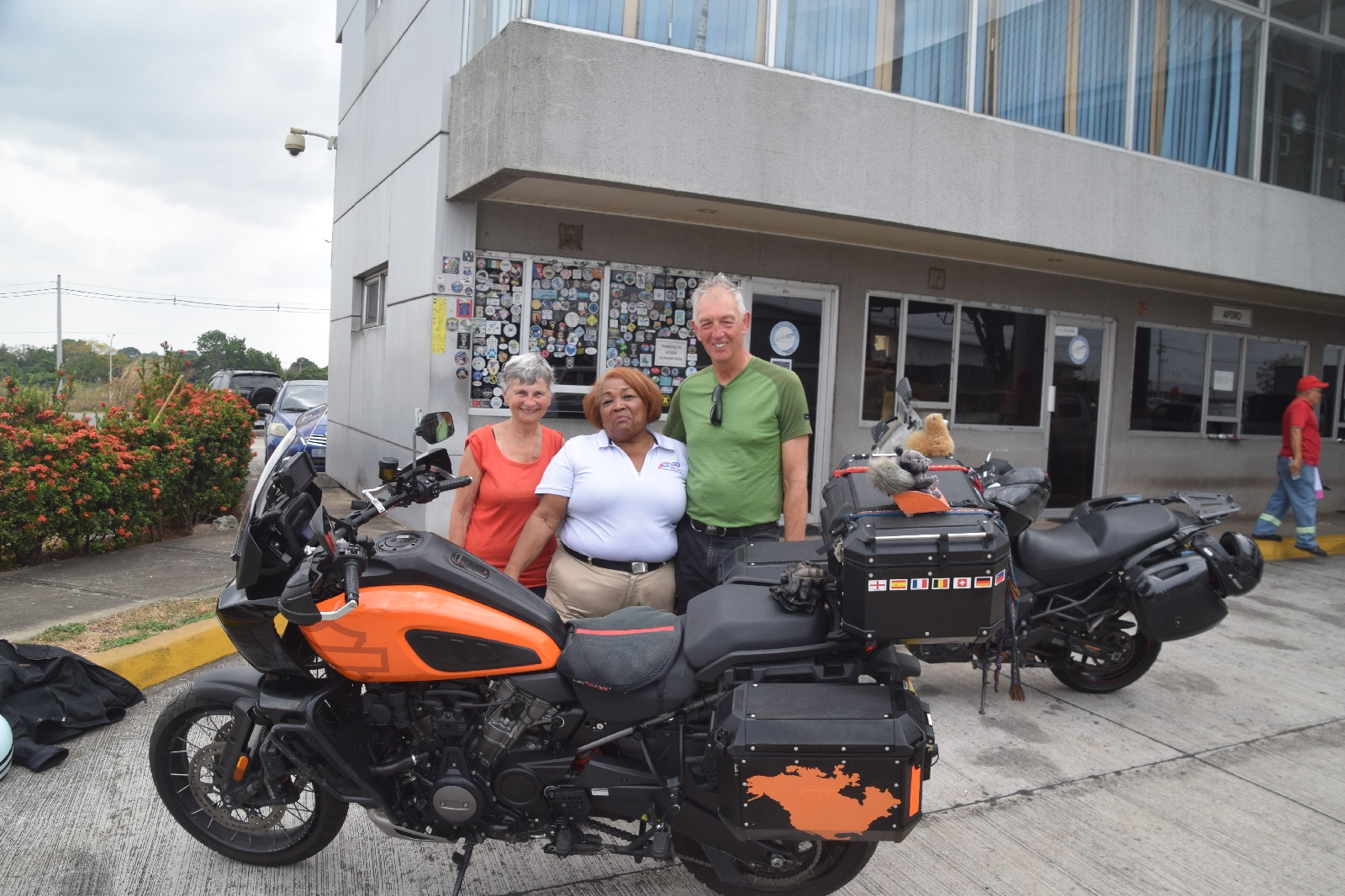
South America is South America and Central America is Central America and Latin America is Central and South America. And we are not quite sure yet where Mexico fits in to all this, but we have a couple of months to work that one out. So having flown into Panama City we are still in Latin America but are also now in Central America. We went to pick the bike up at the cargo handlers first thing Monday morning. As we hadn't had to disconnect the electrics we only had to wait for the bike to be fumigated, undo the ratchet straps, wheel it off the pallet and press the starter button. And thats what we did. But nothing happened. Panic stations. Memories of Montevideo. So try again. Nothing. And again. Still nothing. The sweat wasn't just due to the heat. And again, and this time the bike started perfecty normally as though it just wanted to remind us to treat it nicely and not send it on boats or airplanes. We were back at our hotel with the bike for midday.


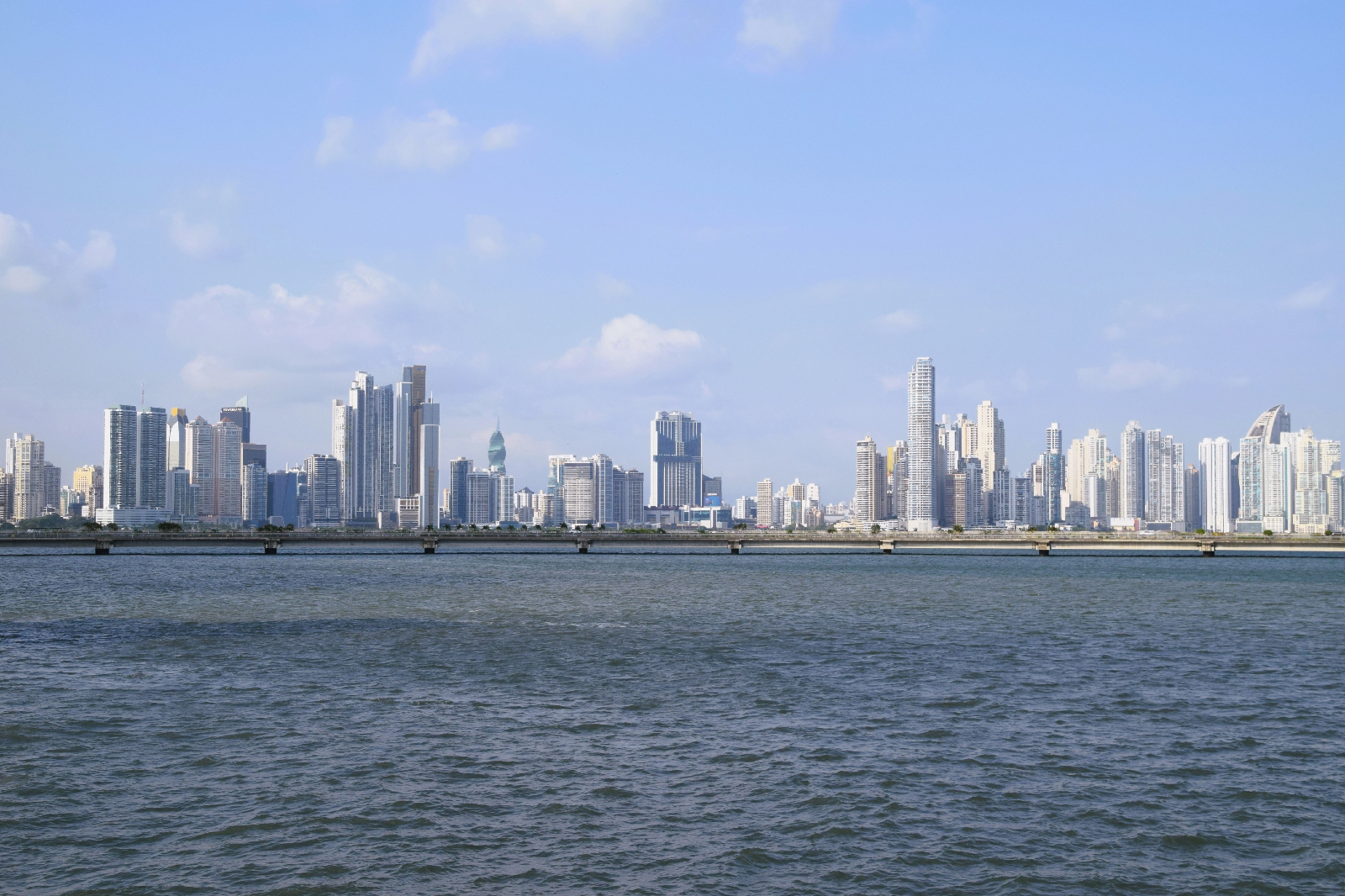
Panama City. Some sort of bizarre cross between Dubai, Canary Wharf and Singapore, but with a schizophrenic Old Town thrown into the mix. Could be a wild card for a new F1 circuit. Lots of tower blocks everywhere as you drive in. Not many of the predominantly residential ones lit up at night. It's very hot here, in the thirties but with 75% humidity which tends to make it feel a tad hotter still. Not the conditions for a midday City walking tour. Having mastered the single line Metro as well as the buses we went walking in the Old Town ourselves. The schizophrenic nature is down to a very abrupt demarcation between an area that is immaculately restored and an area that is completely the opposite, that is itself further constrained by the glitzy tower blocks. It is a little more stark than the creep of gentrification.



We went to the Panama City Metropolitan Park and saw terrapins, a sloth and three baby monkeys, well at least their eyes as they were hiding in a hollow in a tree; but we suppose that we see squirrels in Greenwich Park and its each to their own sort of thing. 

 
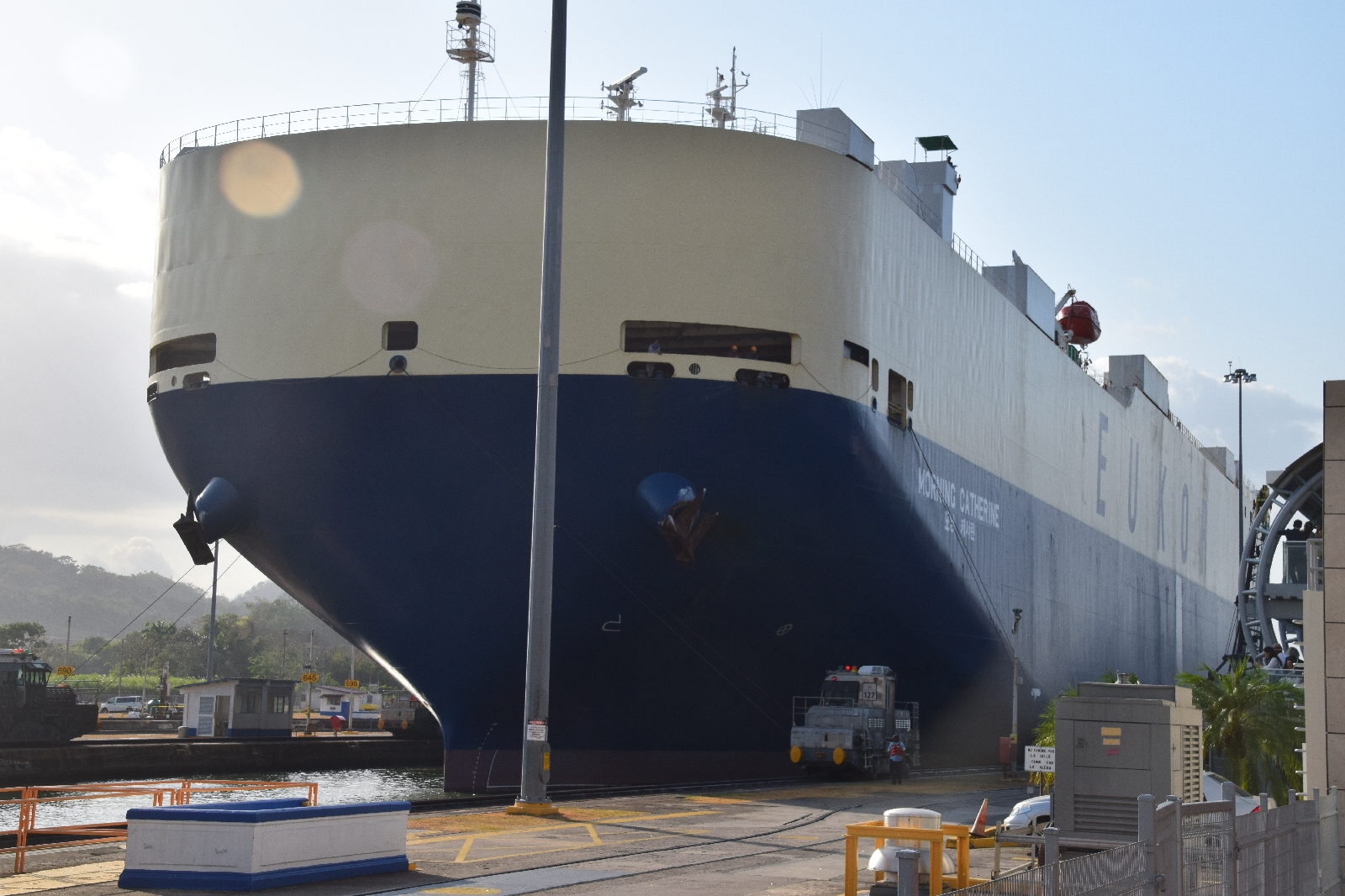
We thought that as we were in Panama we had to go and see the Panama Canal despite it being a bit pricey. In fact, everything here is quite pricey. We hadn't realised that a new Panama Canal had been built and opened within the last ten years in order that new, bigger container ships could pass through. The new Canal runs parallel to the old one and can handle the current crop of container ships that can carry 13,000 containers, whilst the old Canal could only handle ships carrying half this many. The ships are manoeuvred in the lock by trains running either side of the canal.


We decided to go and see a nature reserve just outside of Panama City. An area where there was supposedly one of the highest number of different types of birds in the world. Hundreds. We hardly saw or heard one. And the cost to visiting the viewing platform was so extortionate we left straightaway and went back to Panama City for a coffee and cake.

After three days spent in Panama we had had enough of the big city and needed to be on the move. Everywhere seems so expensive for very little compared to what we have been paying, so we probably won't stay in Panama that long. This might be Central and Latin America but it is also little USA. The roadside signs are MacDonalds, Burger King, Papa Johns, Domino's, Starbucks and Cinnabon. The latter we tried as there was little else roadside and we needed a drink.  Two lemonades and two cinnamon buns were just shy of 14$ - it's US$ here as currency.

Out of Panama City we stayed in a cute little town called Anton Valle which was built in the caldera of an extinct volcano. It was also at 600m altitude which made all the difference as far as being able to sleep without Aircon is concerned - just a fan to move the air around. Sleep was however broken by a significant dawn chorus. Being in a caldera mean that the roads in and out were actually quite challenging - even on the PanAmerica! What was noticeable was that the supermarkets in town were staffed by Chinese. They also sold lots of Chinese food stuffs  - including steaming wontons at the checkout counter that you could buy in polystyrene beakers with plastic forks. They also sold those nodding Chinese cats and there was the equivalent of SeeWoo called Hong-Kong.


Next stop was a beach stop but as the accommodation had a lovely garden and a pool we never made it as far as the beach. It was only a stopover on the way to Boquete and as it was 35° at 0930 we think we really would have baked if we had stayed longer. We had thought that Anton Valle had noisy wildlife but Las Lajas was somethjng else altogether. Boquete was on the list of Panamanian 'must-see's. We know not why. Perhaps because at 1,000m altitude it was cool? Perhaps because of it being surrounded by coffee fincas? Perhaps because it was beneath Panama's highest volcano, Baru @3,500m? Whilst we were there you couldn't see the volcano because of the clouds.  That was our excuse anyway and we didn't feel like leaving the hostel at 23.30 to see sunrise over the crater - unlike some younger guys from our hostel . More than likely Boquete is a weekend bolthole for people from Panama City who drive here somewhat quicker than what it took us. But it really isn't much. Not a decent cakeshop in town.

There is an indigenous population here, the Ngobe and they do look and dress differently. We believe that there were issues prior to Christmas where the indigenous population were at odds with the government over the sale of mining rights to a Canadian corporation. Panama was closed for a while. 


Whilst in Boquete we visited a coffee finca. Just for a coffee, no tour involved. It was a very nice place indeed, it had a restaurant that dealt with wedding receptions and hotel rooms way above our budget. We left in the opposite direction to the way we had arrived and passed immediately through a very poor area where the Ngobe indigenous people lived. The juxtaposition was pretty extreme. 


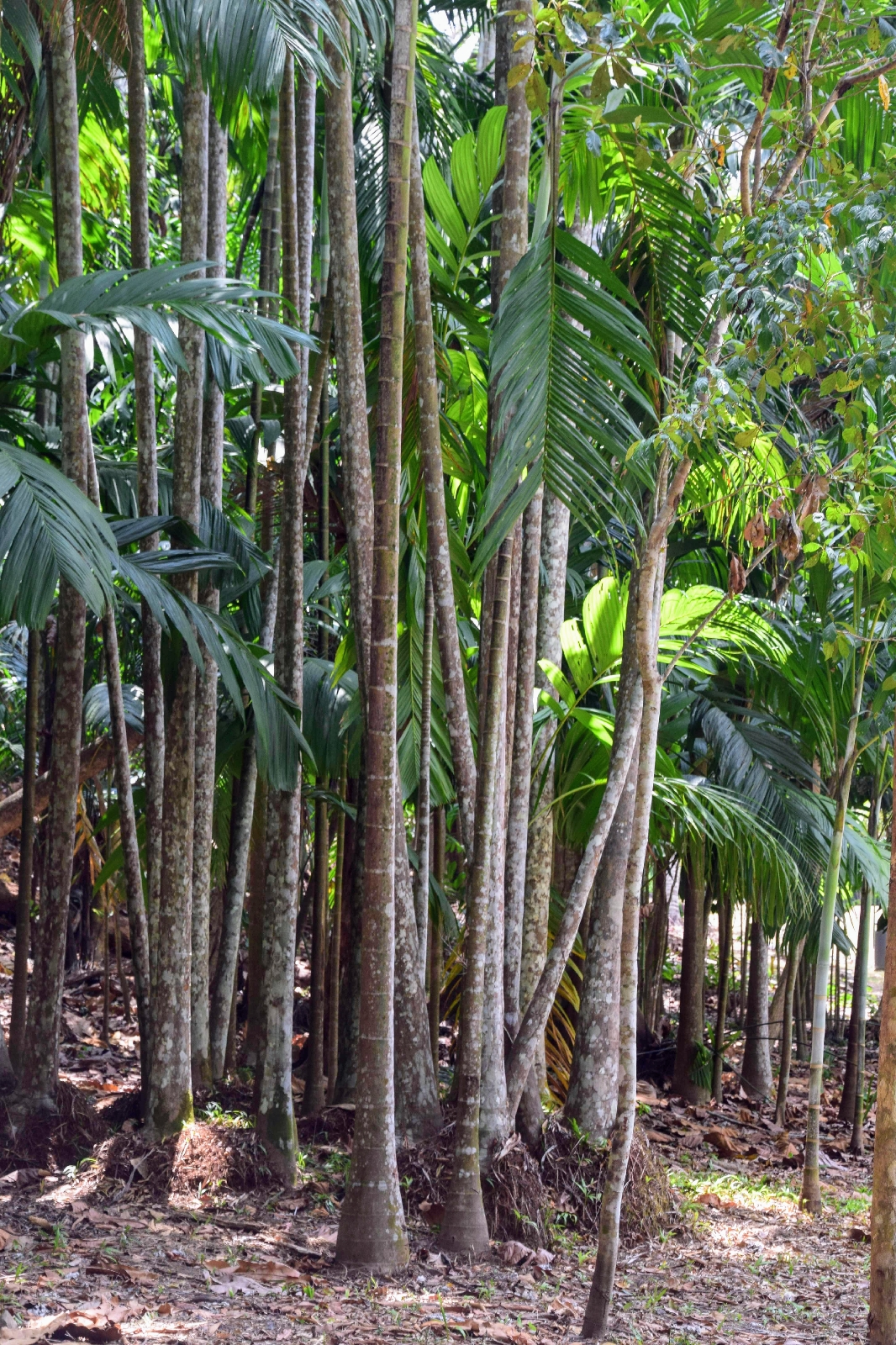
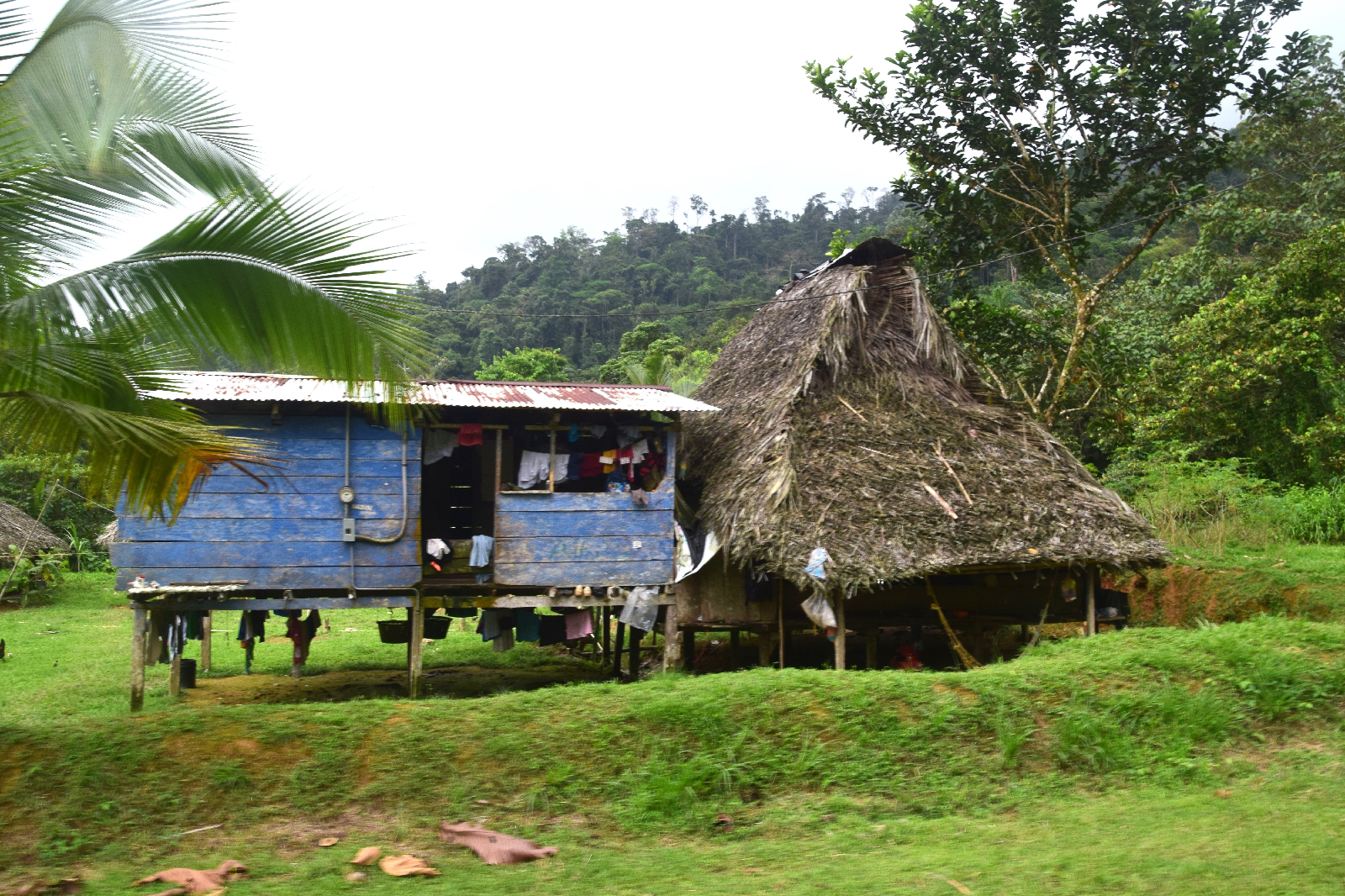
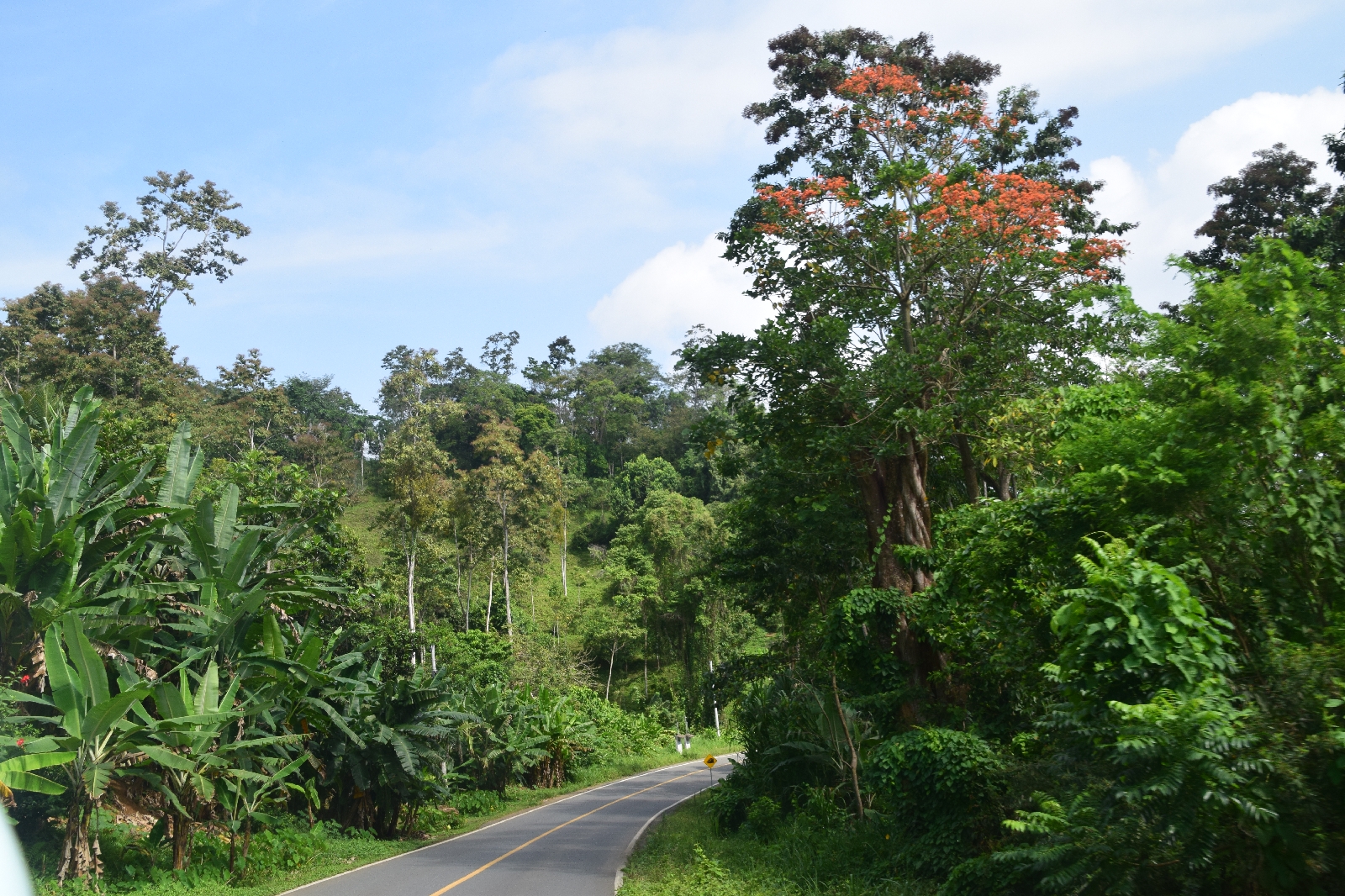
The following day we set off for the border. It was rainforest/jungle almost all the way accompanied by the rain. This area, to the northern Caribbean coast is the Ngobe-Bogle  area and they are, we believe, responsible for governing it to a certain extent. It reminded us quite a bit of Laos with the timber houses on stilts in the jungle, except that in Laos there were a lot more domesticated animals about.
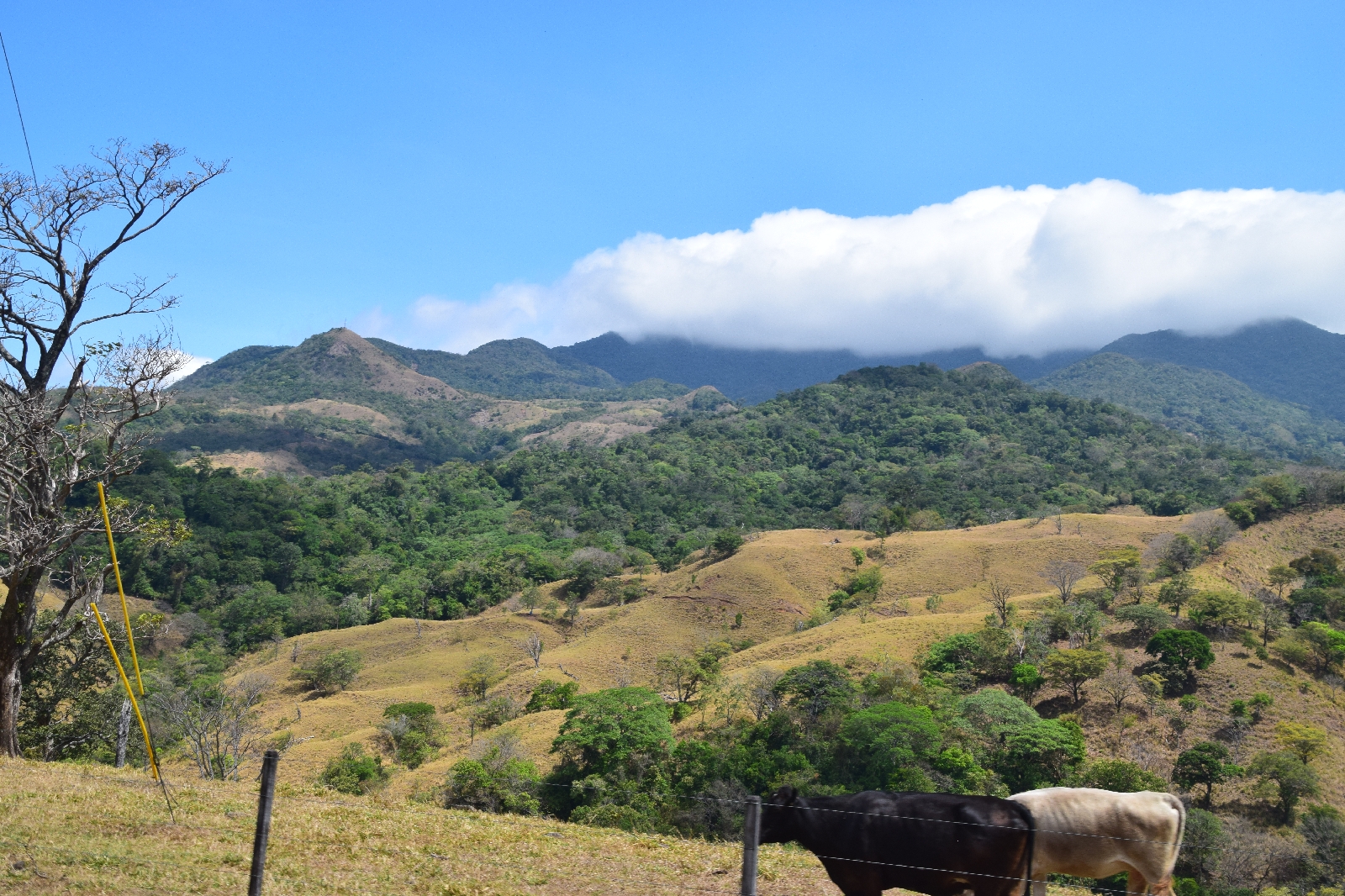
Our last stop in Panama was at Almirante and we stopped at a really nice place miles out of town on a ridge overlooking the Caribbean except that because of the clouds and mist we could not see much. But we saw loads of hummingbirds. Apparently we saw the Colibri type as they drink water and water had been put out for them in birdfeeders by the hotel.


We also had the visit of Mr Toad at night who was very large indeed. In the morning we could have breakfast with an abundance of birds around us from the tiny hummingbirds to the vultures circling above us, from what looked like swallows darting about to a pair of toucans who didn't look as though they should be able to fly with their gigantic beaks weighing them down. 

The road to the border was very rainforest again but this time we didn't need our were gear. There was some sort of ongoing political demonstration which basically closed a bridge to traffic, except motorcycles - we were waved through by whoever it was that was demonstrating. The transition into Costa Rica further down the road was relatively painless and uneventful for once.
Sunday, March 10, 2024

37.0 Bogota - end of Part 1

Bogota is our last stop in South America. There is no road connection between South and Central America - it's known as the Darien Gap; so the three of us are flying to Panama City. It's why we have ridden back south from our most northerly point at Cartagena. We have been in South America for four and a half months and have covered over 20,000km. We have stayed in 79 different accommodations and have visited six countries, or seven if you count the afternoon in Brazil by the Iguazu Falls. In the seven continent view of the world, we move to a new country and a new continent next week. But first, Bogota...


Shipping the bike means we have a number of things to do. The bike has to be relatively clean for example. We have to run down the petrol in the tank but luckily, this time, we don't have to disconnect the electrics. There are a number of things we can ship with the bike like tools and rain gear, so that we don't have to take them on the plane with us. So we spent a day re-doing our packing and preparing the bike for shipping. As the Harley dealership in Bogota was on the way to our accommodation, we stopped by to say 'hello' and they kindly adjusted the chain and jet-washed the bike for us. Not sure that there are any South American basketball teams...


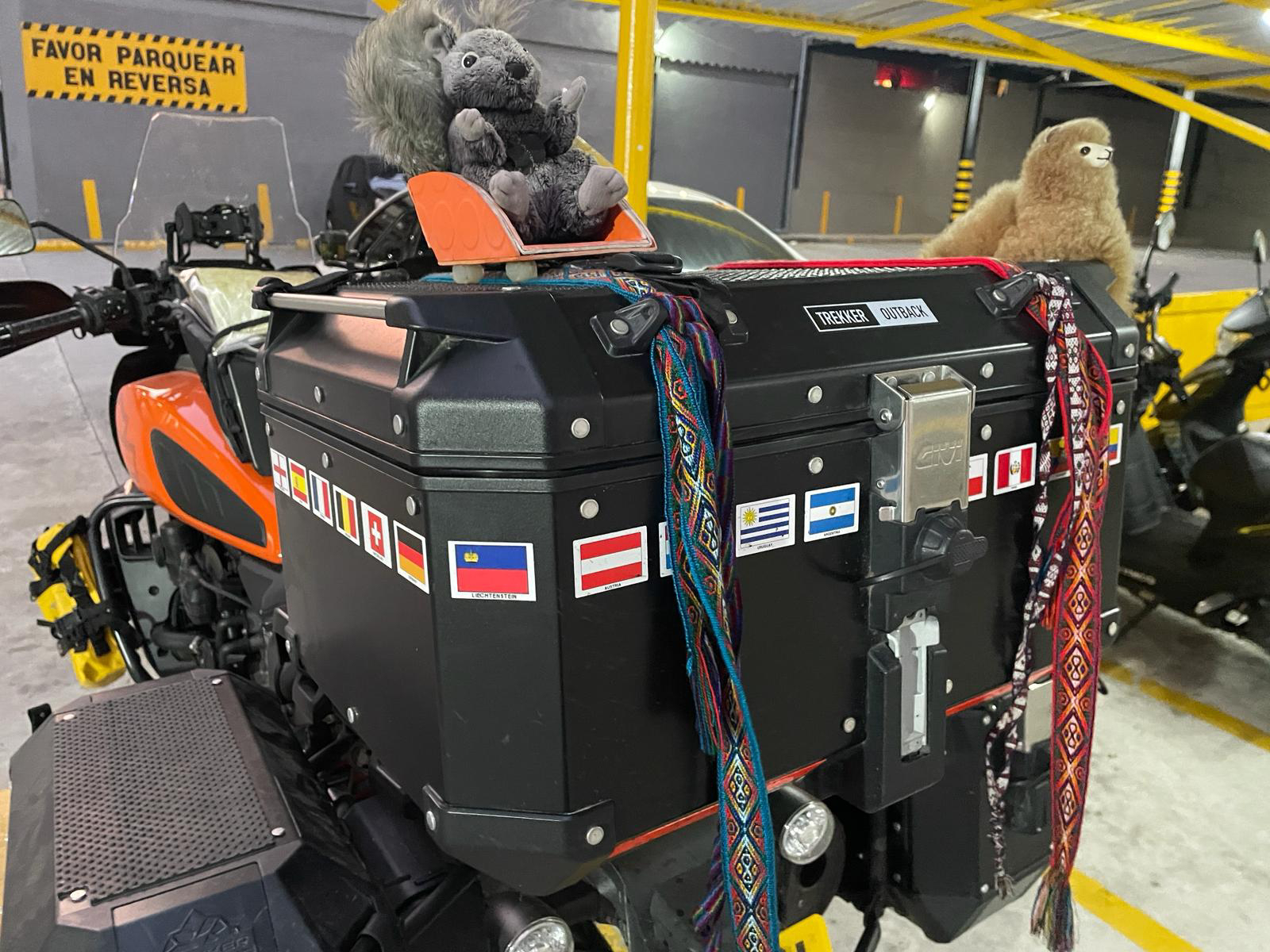
The following day we took the bike to the shipping agent. In the UK it is a relatively easy thing to do - we take the bike to Motofreight, disconnect the battery and give them the keys. That's it. Here it involved going to the freight agent's office and signing documents. With finger prints. Then riding the bike to the airport facility. Prior to entry into the facility there was a security post with a sniffer dog search from a well- behaved labrador. Well-behaved until he saw our pet squirrel on the top-box when all his training went to custard and he had to be restrained.

Once inside the compound we had to take the bike to the actual people who would be putting it on a pallet and sending it to Panama. They too had a sniffer dog who was not at all interested in our squirrel,  or llama for that matter. Must just be labradors? The bike was then weighed before we had to pay a visit to the customs office - which took rather a long time, two to three hours. There are only a handful of pieces of information - passport, bike details and ownership and all these were already on the super Colombian computer system as we had had to input them to get into the country. So why did it take so long?  After all that, we could then go back to our accommodation and have a coffee and cake. Another day gone.


Panama is one of those countries that you can't fly into without proving that you are also going to fly out. We are flying in to Panama but have no intention of flying out - our plan, of course, is to ride out. No matter how well we try to explain this to the officials at the airport, it will not wash. So we have had to obtain some 'fake' return airplane tickets. They are real, but only have a 48hr life span and will be automatically cancelled after we get into Panama.

As we have mentioned in previous posts there are Botero sculptures everywhere in Colombia. There is even a free Botero Museum in Bogota which we visited, housing not only some of his smaller sculptures, but also a large number of his paintings and his own art collection which includes a vast number of works by 20th Century 'greats' and some Impressionists. It also had rather a nice cafe. Is it a question of art imitating life or the other way round? Either way there are a significant number of Botero Bottys in Colombia, male and female - must be all that orange coloured deep fried food. With rice. And chips. Even Mona Lisa! The museum is run by Colombia's national Bank - can't see the Bank of England doing a similar thing.


There is also a contemporary art museum next door which isn't sign posted and we just wandered in. No Bank like security here!


Not only does the Banco de la Repùblica look after the Botero Museum, but it also looks after the Gold Museum, which is perhaps a little bit more appropriate. We have visited a number of museums on our trip so far and most of them have been extremely dull. This one was pretty magnificent. It could have done with a few strategically placed 'helpers' to whom we could have asked questions of, like, 'is all this real?' - we think it was - but that's it. There must be an absolute fortune inside on the value of the gold alone.


We had our free city walking tours,  all absolutely brilliant, and delved more into the 'War and Peace' side of things. It is clear than the drug cartels are tolerated to avoid conflict in some sort of Faustian pact. The politically driven guerilla organisations seem to be of a diminishing importance, as do the para-military groups. It is impossible in our eyes to see how this will evolve.

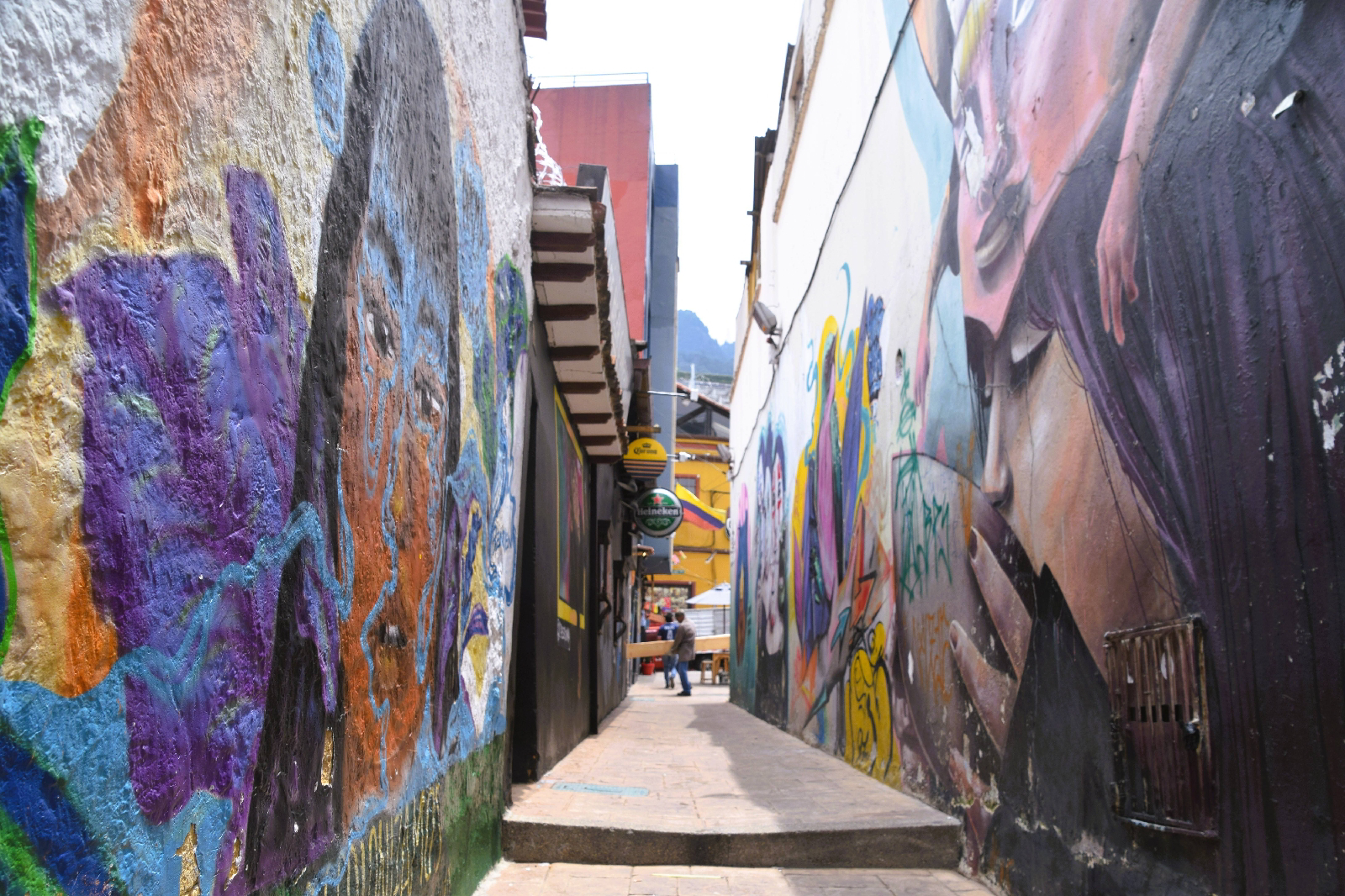
There is a nice European style square in Bogota but beyond that and the museums the city was a bit disappointing. Traffic here is worse than anywhere we have been - Lima did feel particularly bad but we think that was due to the climate; Bogota is at 2,500m altitude and therefore relatively cool. Transport here has always been an issue primarily due to the terrain. The Spaniards thought that El Dorado, the city made of gold, existed nearby after they had seen the amount of gold held by the indigenous people. They  shipped the gold to Spain from Cartagena - it took almost three times as long to travel from Bogota to Cartagena by road in those days than from Cartagena to Spain by sea.

In Colombia we struggled a bit with the heat and humidity in the north - it's going to get worse in Central America! We limited our daily mileage in order to deal with that. We also struggled with addresses and we still don't understand fully what is going on with them, as they have more than two components, ie not just a number and a road name. So we can't even explain why we struggled - it just made programming the GPS all the more difficult and led to increased tensions...

Colombia has so many different types of fruit - we tried a different, freshly squeezed one almost every day - mostly not knowing what they were. Translations don't really help. But as well as the natural lemonades and the mango, blackberry, orange, strawberry, pineapple or grape juice we have also had lulo, maracuya, guanabana, granadilla, pitaya, corozo, feijoa, papaya and the guandola drink made from sugar cane and bitter orange.


It's rare that we ever go back to places. Not because we don't want to or that we feel that we have seen it all and do not need to return -  but more that there are so many other places in the world to experience, so why return anywhere before we have seen them all? However, in the case of Colombia and Ecuador we might well return as they do have everything from sea to mountains, jungle to desert, hot to cold, interesting villages to cities and it would also be very interesting to see how they move forward from their current situations.

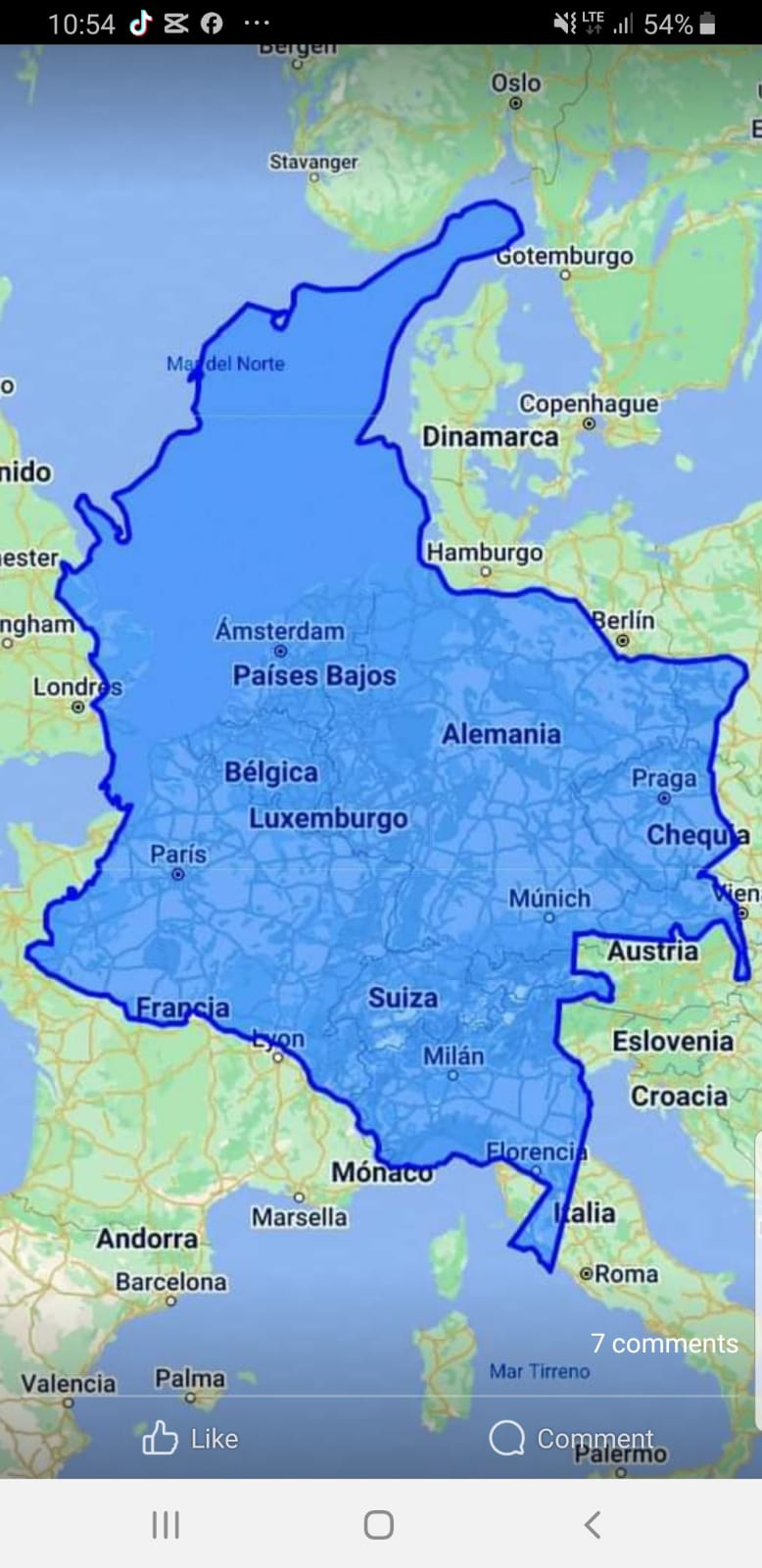
We have really enjoyed our time in Colombia. It's a massive place! If we had not fixed a date for shipping, we would probably have liked to stay longer. We would recommend it as a destination to visit - except for the food - well, you can't have everything!


The long chapter on South America is now closing and with it, stacks of memories. After four and a half months 24/7 we can confidently say we still form a good team despite, or thanks to our differences. However we have one huge thing in common: our love of exploring new horizons on two wheels with often... two sore bums.

78.0 Over and out.

Eleven months might be up, but our card for the USA National Parks is still valid and the USA was just across the border. So we took another...